

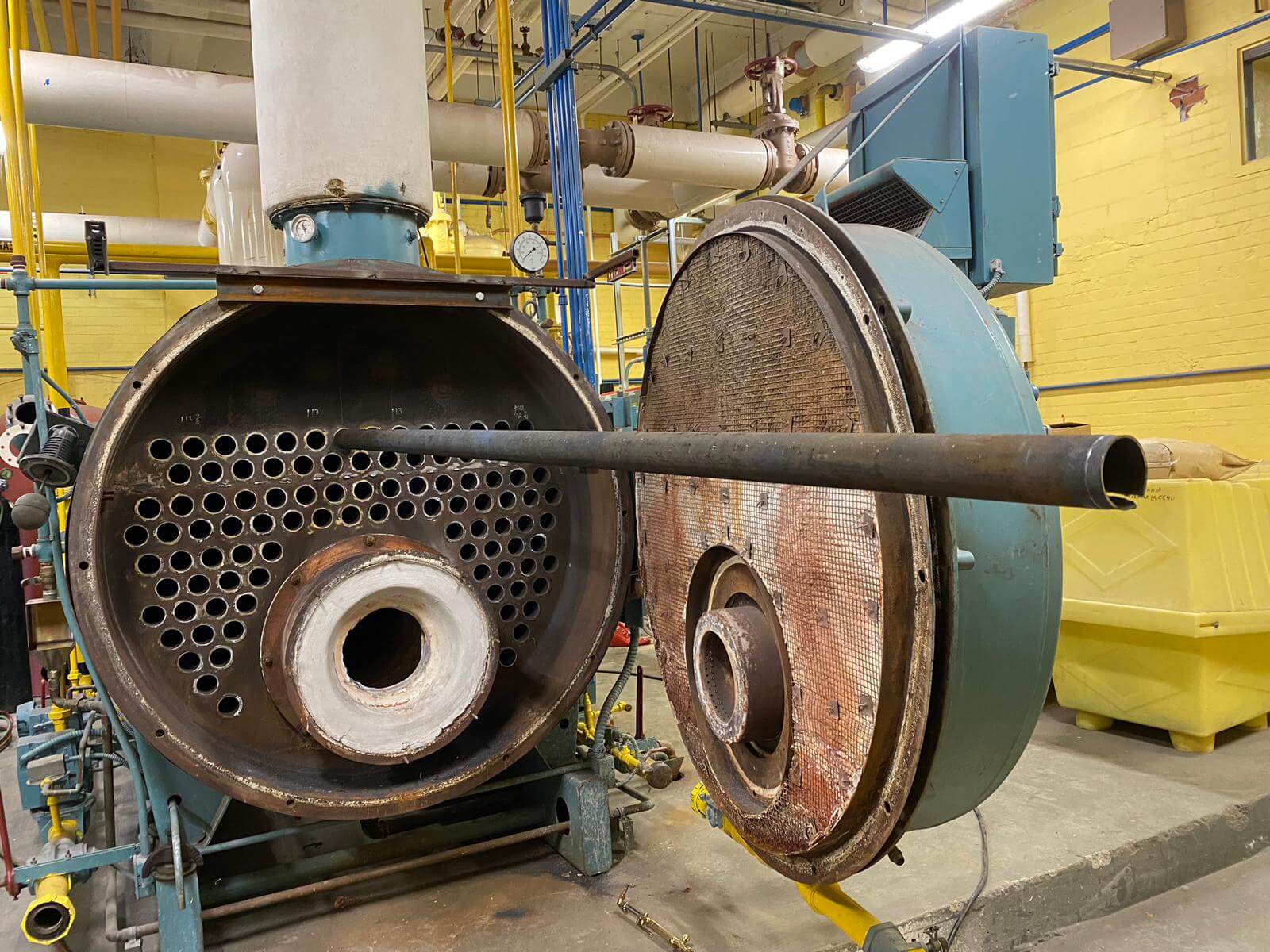
There’s a flat metal plate in every boiler and thermal unit that holds everything together. This component is known as a tube sheet, secures rows of pipes in place and allows heat and pressure to move safely through the system. When it weakens, that means the entire setup is unstable. A small flaw in heavy-duty operations leads to leaks, energy loss, or forced shutdowns.
The industrial facilities in the area operate under demanding conditions. The older buildings, continuous workloads, and fluctuating temperatures place added strain on internal components. The exposure to moisture, heat cycles, and internal stress accelerates wear in areas that are invisible from the outside. This is why companies like Coyote Iron Work see damage progress faster in local plants.
In the sections ahead, this blog will break down how tube sheets function, what causes deterioration, how replacements differ from fixes, and what decision-makers should understand before planning corrective work.
Understand Tube Sheets in Boilers and Heat Exchanger Tube Sheet Bronx NY
In large heating systems, tube sheets act like an anchor point and dozens, sometimes hundreds, of pipes pass through a single metal surface. This setup helps hot fluids and gases to travel in controlled paths without mixing or escaping. In boilers, the sheet supports pipes that carry heat through water and create steam efficiently. In heat exchange units, it separates hot and cool substances and transfers energy safely.
What makes this part important? The ability to handle intense pressure and constant temperature shifts at the same time. The opening must stay tightly sealed, even as metal expands and contracts throughout daily operation.
In industrial environments, this balance keeps production steady and equipment stable.
Common Signs That a Tube Sheet is Failing
The tube sheet damage rarely starts with a dramatic breakdown. More often, it shows up through small changes that are easy to dismiss. One early indicator is unexplained moisture near pipe connections or pooling beneath the unit. Another warning comes from reduced heating output, where systems take longer to reach required levels despite normal settings.
Plus, the strange sounds, such as hissing or irregular vibration, can also point to internal separation around pipe openings. The corrosion also affects the metal surface which causes discoloration or flaking near joints. In some cases, pressure readings begin to fluctuate without a clear cause. It signals internal stress.
If you ignore, it can turn a manageable issue into a major interruption. The early symptoms allow facility managers to address problems so the safety risks and costly downtime are unavoidable.
What Causes Tube Sheet Damage in Industrial Systems?
The deterioration does not happen overnight. In most industrial setups, damage builds slowly as systems operate day after day. One major reason is continuous heating followed by cooling. Metal expands when hot and tightens again as temperatures drop.
This back-and-forth motion weakens contact points and creates stress across the surface, with time. The quality of the water quality also plays a role. Minerals, chemicals, and untreated moisture eat away at metal around openings.
The movement adds another layer of strain. All the Large units vibrate in operation, and that motion transfers force into fixed parts. Those pressure loosens seals and thins the material. The Bronx buildings, equipment have been running for decades.
Older designs were not built for modern demand, which increases fatigue across key components. This is why Industrial tube sheet repair Bronx NY is ideal alongside system age and operating habits.
Boiler Tube Sheet Replacement in Bronx NY Vs Repair – How to Decide?
Choosing between a full change-out and a targeted fix depends on more than cost. The first step is the depth of damage. The surface-level wear or minor leaks can be corrected without removing the entire plate. In these cases, repair work restores stability and extends service life. However, when cracks spread or metal thinning reaches critical areas, patching only delays a larger problem.
The important factor is downtime. Sometimes, temporary fixes seem quicker, yet repeated shutdowns can disrupt production more than a single planned upgrade. Safety also matters. If pressure control becomes unreliable, replacement becomes the smarter option. Many facility managers in the area consider Boiler Tube Sheet Replacement in Bronx NY when long-term operation and compliance take priority.
The right choice balances risk, system age, and future workload. A clear evaluation helps avoid repeated interruptions and unexpected shutdowns later on.
The Role of Pressure Vessel Tube Sheet Bronx NY and High-Risk Equipment
Pressure vessels operate under conditions where even small weaknesses can create serious consequences. Inside these units, tube sheets act as a sealed barrier that keeps fluids and gases moving in separate paths and holds steady under intense force. It’s not like standard equipment; pressure vessels deal with controlled environments. Any loss of strength at connection points can affect the entire unit.
These systems support chemical processing, power generation, or large-scale heating tasks in industrial systems. That is why the work Pressure vessel tube sheet Bronx NY requires careful planning and a clear knowledge of operating limits. A worn plate in this type of equipment does more than reduce efficiency. It raises safety concerns, affects compliance, and increases the chance of unplanned shutdowns.
Why Location Matters: Industrial Tube Sheet Work in Bronx NY
The Bronx presents challenges that a lot of industrial areas do not face. The facilities operate inside older and tight spaces is limited access. This makes inspection and corrective work more complex than in newer plants. On top of that, local operations run at high capacity to meet constant demand, leaving little room for extended downtime.
Environmental conditions are also important. The moisture, air quality, and fluctuating temperatures can speed up material wear. The Industrial tube sheet repair Bronx NY fixes damage and understands the effects of local conditions.
Preventive Maintenance Tips to Extend Tube Sheet Life
Long-lasting performance starts with simple habits. Routine inspections catch early signs of wear before they grow into larger problems. The factors, i.e., checking seals, looking for surface changes, and monitoring pressure levels, can reveal issues that are not visible during normal operation.
The clean, treated water minimizes buildup and slows metal breakdown. The reduction in unnecessary vibration through proper alignment, support further and protects internal components.
Preventive care is overlooked because systems continue running even after damage.
What Facility Managers Should Know Before Planning a Replacement?
The preparation of a major equipment update needs more than picking a date on the calendar. Facility managers should first review the system’s usage. The peak load times help schedule work without disrupting essential operations. Clear access to the unit is significant, since tight spaces can slow progress if not planned for in advance.
The documentation should not be neglected. Previous inspection reports, service records, and operating data provide valuable insight into recurring issues. This information helps teams focus on areas that need attention. The communication across departments is a critical part. Letting staff know what to expect reduces confusion and improves coordination during shutdown periods.
Budget planning should consider long-term impact, not only upfront expense. A well-organized replacement can decrease future maintenance needs and limit unexpected outages.
Final Thoughts: Why Tube Sheet Replacement Impacts the Entire System
A tube sheet looks like one part among many but its condition influences the system’s functionality. When this component is strong, heat flows evenly, pressure stays controlled, and equipment runs perfectly. When it weakens, stress spreads to surrounding parts, increasing wear throughout the unit.
The replacement of a worn plate restores balance inside the system. Pipes seat correctly, seals hold, and energy transfer improves. This change results in steadier output and fewer operational surprises. Over time, better reliability minimizes emergency service calls and unplanned shutdowns.